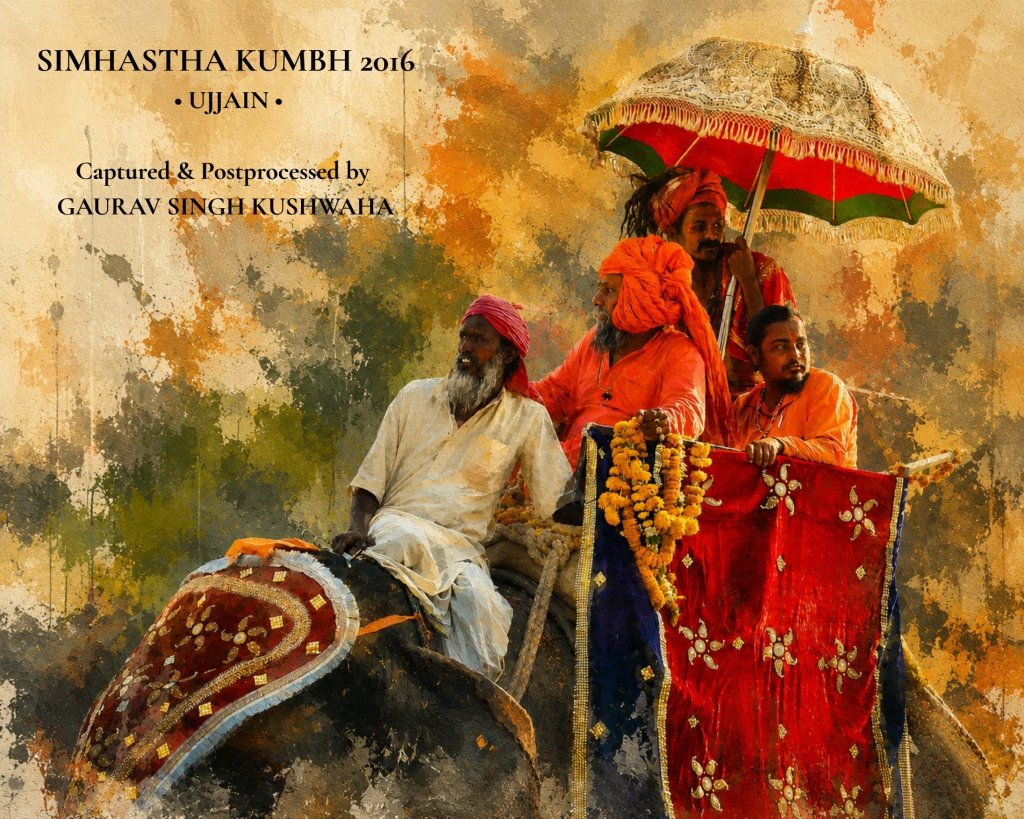
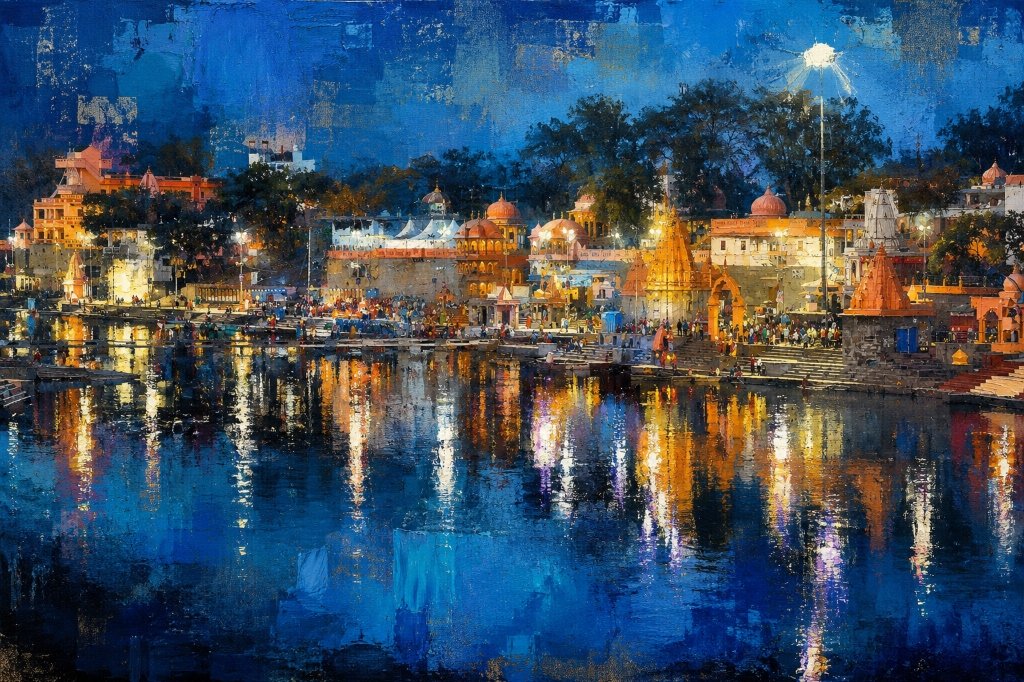
Every twelve years, the ancient city of Ujjain transforms into the spiritual center of the universe as it hosts the monumental Simhastha Kumbh Mela. Rooted in Vedic antiquity, this congregation brings together millions of sadhus, mahamandaleshwars, naga babas, and devout families on the sacred banks of the Kshipra River.
The upcoming Ujjain Simhastha 2028 will be one of the largest peaceful human gatherings on Earth, with state authorities preparing for over 100 million visitors across the two-month period. For families planning this once-in-a-generation pilgrimage, understanding ground realities, astrological dates, procession routes, and traffic management is the key to an enriching experience. Here is your definitive, ground-verified guide.

1. The Cosmic Conjunction: Why Ujjain Celebrates Simhastha
While Kumbh Melas are held at Haridwar, Prayagraj, and Nashik, Ujjain is distinct because its festival is specifically titled Simhastha. This sacred name derives from the Sanskrit word Simha (the zodiac sign of Leo).
According to ancient astrological scriptures including the Skanda Purana, Ujjain is the Nabhideha (navel center) of the Earth and the prime meridian of ancient Hindu astronomy. The Simhastha conjunction occurs when:
- Guru (Jupiter) enters the sign of Leo (Simha Rashi).
- Surya (The Sun) enters the sign of Aries (Mesh Rashi).
- Chandra (The Moon) aligns on the full moon (Purnima) in the constellation of Chitra or Swati during the Hindu lunar month of Vaishakh.
During this celestial alignment, it is believed that drops of divine Amrit (nectar of immortality) that spilled from the celestial pot during the Samudra Manthan energize the holy waters of the River Kshipra. A single bath taken with pure devotion during this window is believed to cleanse lifetimes of karmic impurities.
2. Official Dates & Shahi Snan (Royal Bathing) Calendar
The Simhastha Mahakumbh 2028 runs for two consecutive lunar months, starting on 27 March 2028 and culminating on 27 May 2028. Within this period, three paramount dates are designated as Shahi Snan (Royal Bathing) days:
| Bathing Milestone | Calendar Date | Spiritual Significance & Protocol |
|---|---|---|
| Mela Opening Snan | 27 March 2028 | Chaitra Shukla Pratipada (Hindu New Year / Gudi Padwa). Flag hoisting of Akhadas and consecration of tent camps. |
| First Shahi Snan | April 2028 (Chaitra Purnima) | The first royal bath led by the venerable Shaiva Akhadas at dawn. Millions of ascetics take the holy plunge. |
| Mesh Sankranti Snan | 14 April 2028 | Solar transit into Aries. Massive gathering of public pilgrims and householders along all ghats. |
| Second Shahi Snan | April / May 2028 | Vaishakh Shukla Pratipada. Royal bathing procession led by Vaishnav Bairagi and Udasin Akhadas. |
| Maha Shahi Snan (Grand Zenith) | 27 May 2028 (Vaishakh Purnima) | The highest spiritual crest of Simhastha. All 13 Akhadas take part in continuous ceremonial holy baths from midnight till dusk. |
3. The 13 Sacred Akhadas: Traditions and Hierarchy
The Akhadas are ancient martial and monastic orders established by Adi Shankaracharya and subsequent spiritual reformers to protect and preserve Sanatan Dharma. In Ujjain, the 13 recognized Akhadas adhere to a strict protocol of precedence during bathing and ceremonies:
The 7 Shaiva / Sanyasi Akhadas
These monastic orders worship Bhagwan Shiva and carry the trident (Trishul). Their camps are located primarily in the Ujjain central sector near Mahakaleshwar:
- Shri Panch Dashnam Juna Akhada: The largest, oldest, and most prominent Akhada, renowned for thousands of fierce Naga sadhus who renounce worldly possessions.
- Shri Nirvani Akhada: Closely affiliated with the administration and rituals of Mahakaleshwar Temple.
- Shri Niranjani Akhada: Highly scholarly order commanding great respect among ascetics.
- Shri Atal Akhada: One of the earliest martial orders.
- Shri Anand Akhada: Dedicated to deep meditative asceticism.
- Shri Agni Akhada: Worshippers of the primordial fire element (Brahmachari ascetics).
- Shri Avahan Akhada: Renowned for their ancient lineage and discipline.
The 3 Vaishnav / Bairagi Akhadas
These orders worship Lord Vishnu, Shri Rama, and Shri Krishna. Their flags bear the image of Lord Hanuman:
- Shri Nirmohi Akhada: Historically entrusted with the defense of sacred Vaishnav shrines.
- Shri Digambar Akhada: Devoted to intense devotional austerity.
- Shri Nirvani Bairagi Akhada: Celebrated for musical bhajan processions and kirtans.
The 3 Udasin Akhadas
Founded by Sri Chand Ji (son of Guru Nanak Dev Ji), these ascetic orders bridge Vedic and Sikh spiritual practices:
- Shri Panchayati Bada Udasin Akhada: Known for extensive charitable bhandaras (community kitchens).
- Shri Panchayati Naya Udasin Akhada: Devoted to scriptural discourse and meditation.
- Shri Nirmal Akhada: A sacred order following the Guru Granth Sahib and traditional ascetic discipline.
4. Peshwai Royal Processions: Spectacle of the Holy Ascetics
Weeks before the Shahi Snan, each Akhada makes its formal ceremonial entry into Ujjain in a spectacle known as Peshwai. These royal processions resemble an ancient emperor’s triumph:
- Grand caparisoned elephants carrying revered Mahamandaleshwars beneath gold and silver parasols (chhatris).
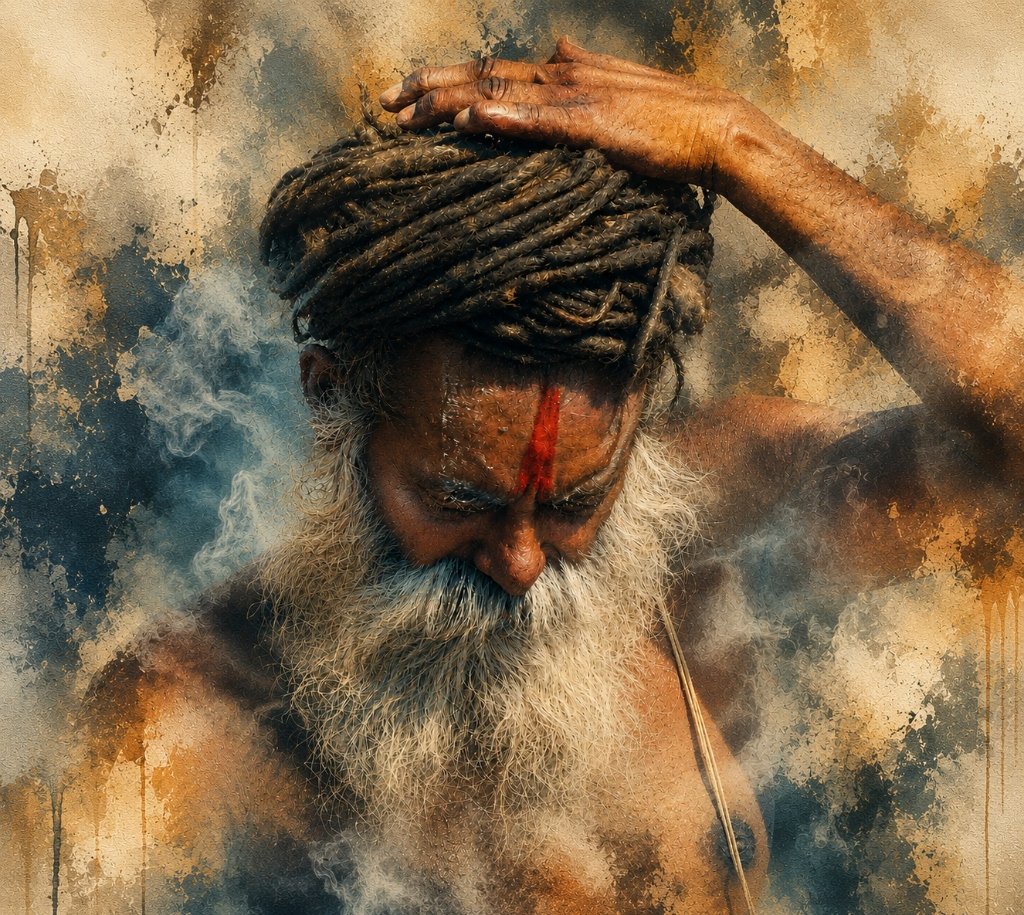
- Naga Sadhus covered in holy ash (Vibhuti), displaying traditional martial arts with swords, spears, and tridents to the rhythmic beat of massive nagada drums.
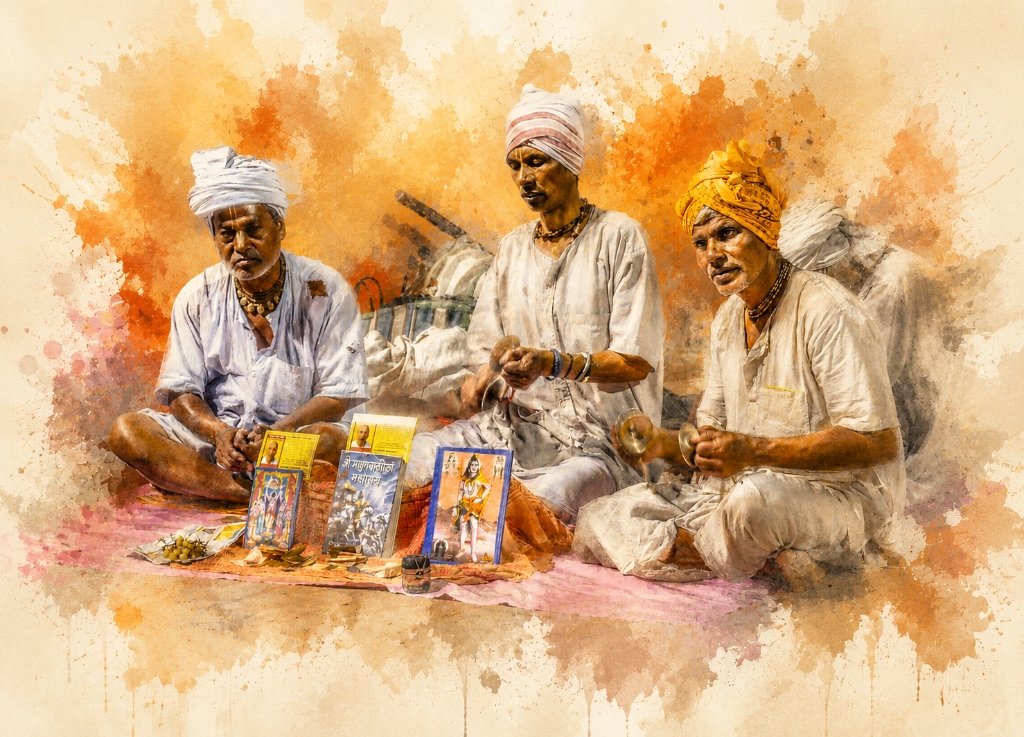
- Elaborate brass bands, conch blowers, and thousands of disciples chanting sacred mantras as flower petals rain down from rooftops along the procession route through Freeganj, Gopal Mandir, and Ramghat.

5. The Holy Ghats: Ramghat vs Dutt Akhada Ghat Dynamics
During the two months of Simhastha, the banks of the Kshipra are organized with high-precision crowd engineering:
Ramghat (Eastern Bank): The historic civic heart of Ujjain, located right beside Leela Sadan (Vedika Stays). This is the exclusive royal bathing zone for Shaiva Akhadas during the first half of Shahi Snan mornings. It hosts the grand administrative ceremonies, Deepotsav aartis, and VIP viewings.
Dutt Akhada Ghat (Western Bank): Positioned directly opposite Ramghat across the river. It serves as the camping ground and bathing ghat for Vaishnav and Udasin Akhadas. Multiple temporary pontoon bridges connect the two banks, operated as one-way pedestrian thoroughfares to avoid crowd stampedes.
6. City Transit Reality: Satellite Parking and Barricades
Managing over 5 million pilgrims on a single peak day requires extraordinary traffic control. Based on the proven operational blueprint of previous Simhasthas, police will enforce strict vehicle restrictions:
- Outer Ring Barricades: All private cars, tourist buses, and taxis will be halted at mega satellite parking lots established 7 to 12 kilometers outside the city center on Indore Road, Dewas Road, Agar Road, and Barnagar Road.
- Pedestrian Core: The entire central 4-square-kilometer zone surrounding Mahakaleshwar Temple and Ramghat becomes a zero-vehicle pedestrian sanctuary. Only emergency ambulances and designated electric golf carts will be granted access.
- The Walking Reality: If your hotel is located on the highway or in an outer suburb, your family will face a grueling 6 to 10 kilometer walk under the blazing summer sun, or must rely on crowded public shuttle buses that stop miles from the ghats.
7. The Walking Advantage: Staying 200m from Ramghat at Vedika Stays
During a massive gathering like Simhastha 2028, physical location is everything. When outer city roads are blocked and transport is non-existent, being able to walk to the sacred bathing ghats in under three minutes is the greatest luxury you can provide your family.
The Vedika Stays Location: Situated at Leela Sadan on Ramghat Marg near Harsiddhi Gate, Vedika Stays is just 200 meters from Ramghat and 400 meters from Mahakal Gate 4. During Simhastha:
- Your family avoids multi-kilometer walks through security cordons.
- Elderly parents can take the holy bath at dawn and be back resting in an air-conditioned room within minutes.
- Our building features an internal elevator, eliminating steep stair climbing.
- Each floor is a fully private boutique suite with 2 Western washrooms, continuous RO water, and high-security access.
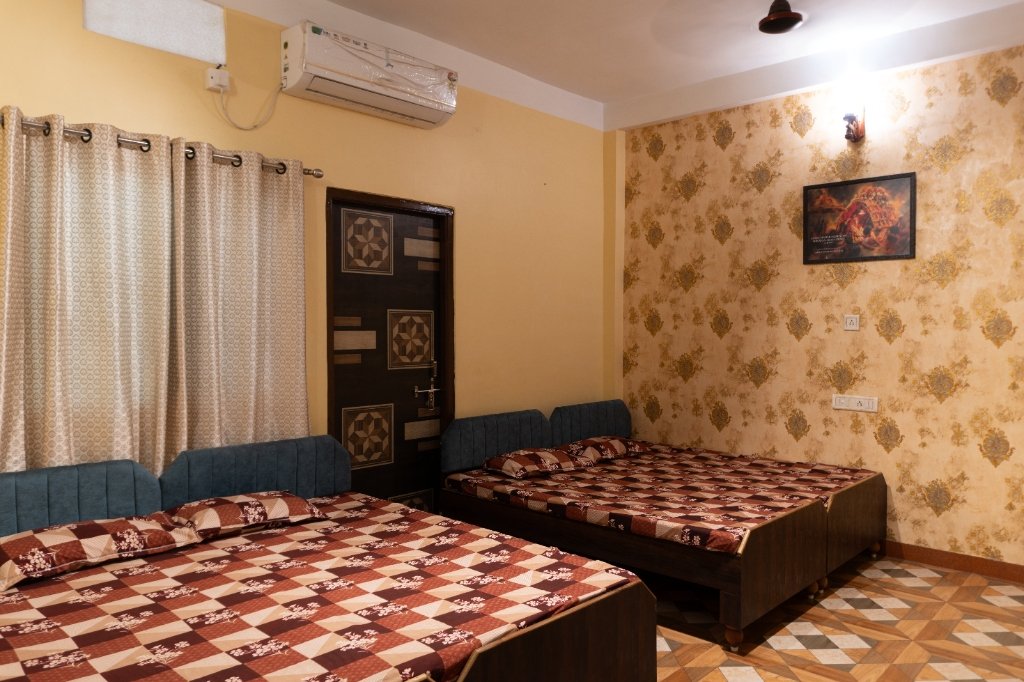
Visiting Ujjain? Stay in Divine Comfort at Vedika Stays
Skip crowded commercial hotels and stay in a private luxury family floor apartment on sacred Ramghat Marg, just a 3-minute stroll from holy Kshipra and 5 minutes from Mahakal Gate 4.
Shri Mahakaleshwar Temple Management Committee and local police authorities dynamically adjust entry gates, queue barricading, VIP entry lines, and darshan schedules during heavy crowd rushes, weekends, and major festival periods (such as Sawan, Mahashivratri, and Simhastha). All information, gate assignments, and timings provided in this guide reflect standard, general operational arrangements. Devotees are kindly advised to follow on-ground police instructions, official signboards, and temple public address announcements on the day of their visit.
Frequently Asked Questions About Simhastha 2028
Do temple darshan timings, ticket rules, or entry gates change during peak rush?
What are the official dates for Simhastha Kumbh Mela 2028 in Ujjain?
What are the primary Shahi Snan (Royal Bathing) dates for Simhastha 2028?
What are the 13 sacred Akhadas taking part in Ujjain Simhastha?
What is the difference between Ramghat and Dutt Akhada Ghat during Simhastha?
How will vehicle traffic and parking be managed during Simhastha 2028?
When should families book accommodation for Ujjain Simhastha 2028?
Why is Vedika Stays an ideal base during Simhastha 2028?