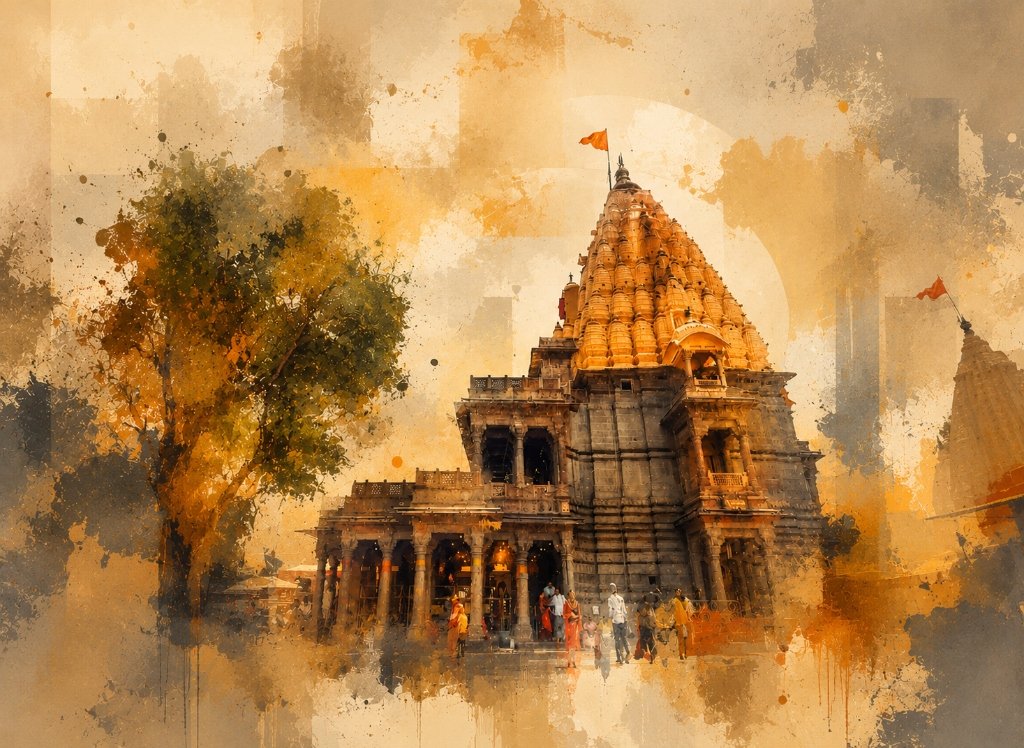
The Bhasma Aarti of Shri Mahakaleshwar is one of the most revered and spiritually potent rituals in Hinduism. Conducted during the sacred Brahma Muhurta between 04:00 AM and 06:00 AM, this ritual awakens the Dakshinabhimukhi (south-facing) Jyotirlinga of Lord Shiva with sacred vibrational chants, holy water, milk, panchamrit, and the application of sanctified ash (vibhuti).
For thousands of families traveling to Ujjain from across India and abroad, attending this divine spectacle is a lifelong dream. However, securing a valid entry pass can often feel daunting due to heavy rush, rapidly changing administrative rules, and widespread misinformation spread by local touts. As a resident born in this holy city and host to hundreds of pilgrim families at Vedika Stays, I have put together this thorough, factual ground guide to help you navigate the process smoothly.
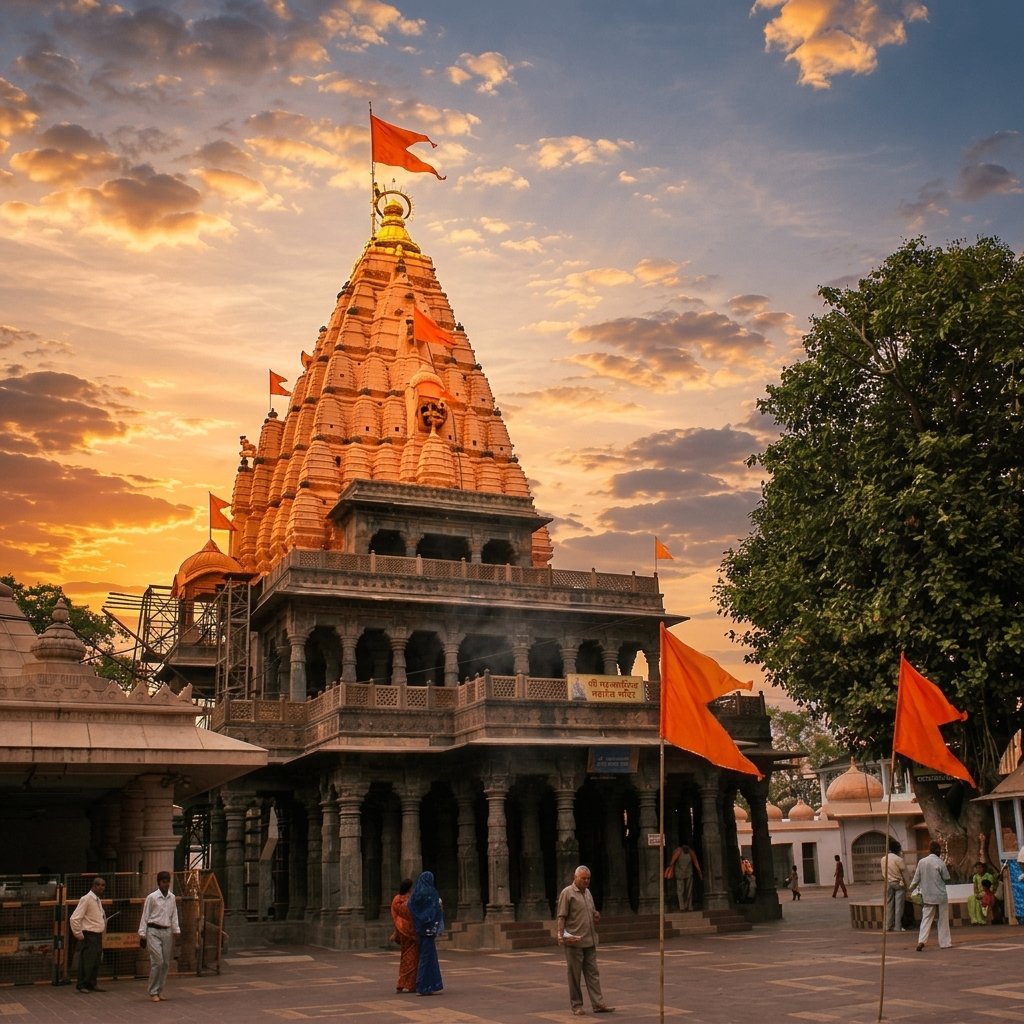
1. What is Bhasma Aarti: The Spiritual Significance
Unlike ordinary temple aartis, Bhasma Aarti is unique to Ujjain. Historically, holy cremation ash was associated with the ritual in ancient texts to signify that Lord Shiva is the supreme master of time, death, and dissolution (Maha-Kaal). In contemporary temple practice, the ash used is pure, ritually sanctified Vibhuti prepared from indigenous Desi cow dung (Kapila cow) dried with Shami, Peepal, and Bilva wood, energized with Vedic mantras by the temple priests.
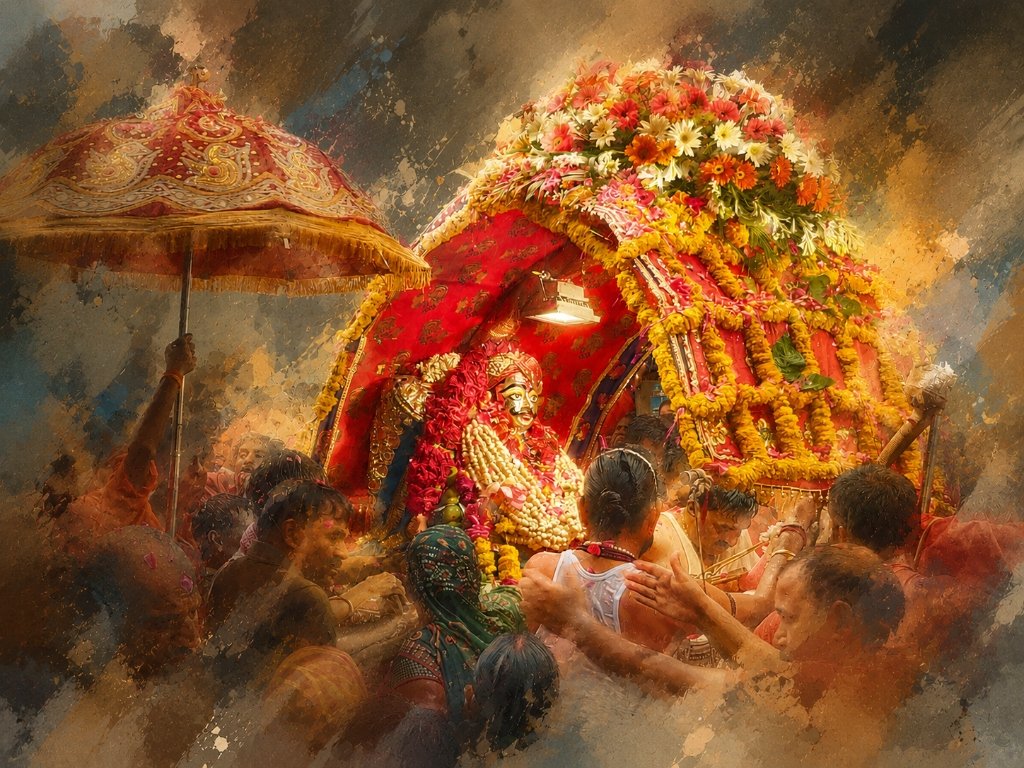
The ritual proceeds in distinct sacred phases:
- Brahma Muhurta Snan: The Lingam is bathed with sacred Kshipra water, honey, milk, curd, and sugarcane juice.
- Shringar Darshan: Priests decorate the Jyotirlinga with sandalwood paste, dry fruits, bhang, and elaborate silver ornaments, creating the divine facial form (Mukhota) of Lord Shiva.
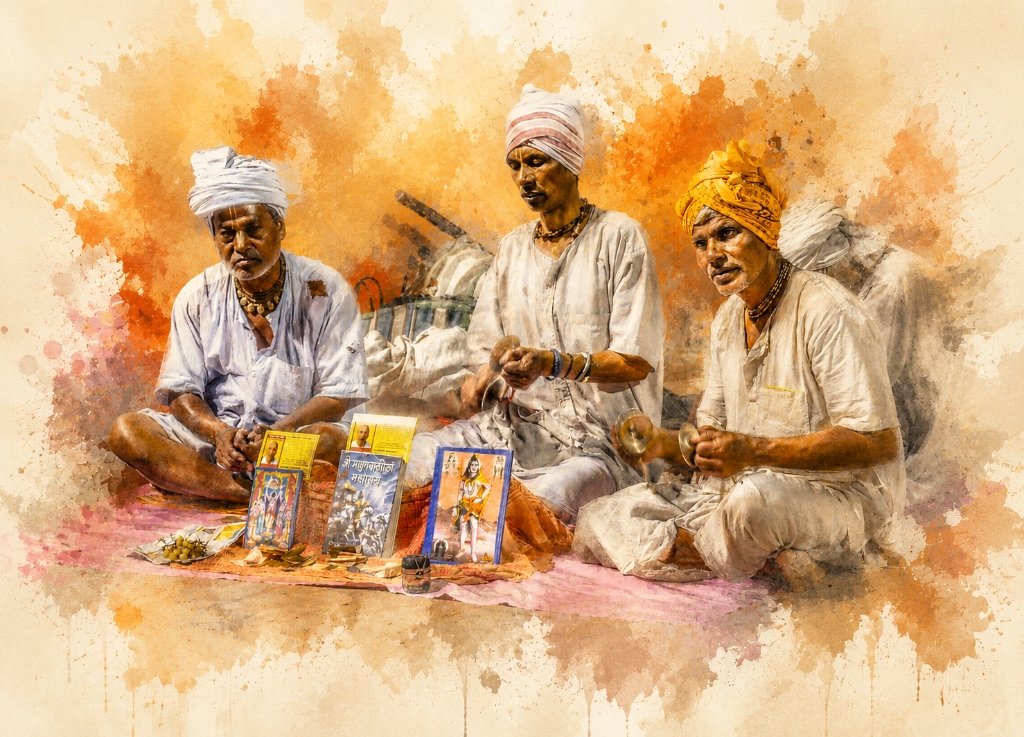
- Bhasma Arpan: The Mahanirvani Akhada sadhus present the sacred energized ash, which is gently showered over the Jyotirlinga amidst the resonant rhythm of conch shells, dholaks, and damrus.
2. Step-by-Step Online Booking on the Official Portal
Online booking is the most convenient way to confirm your attendance before boarding your train or flight to Ujjain. The Shri Mahakaleshwar Temple Management Committee operates the system through its official web portal.
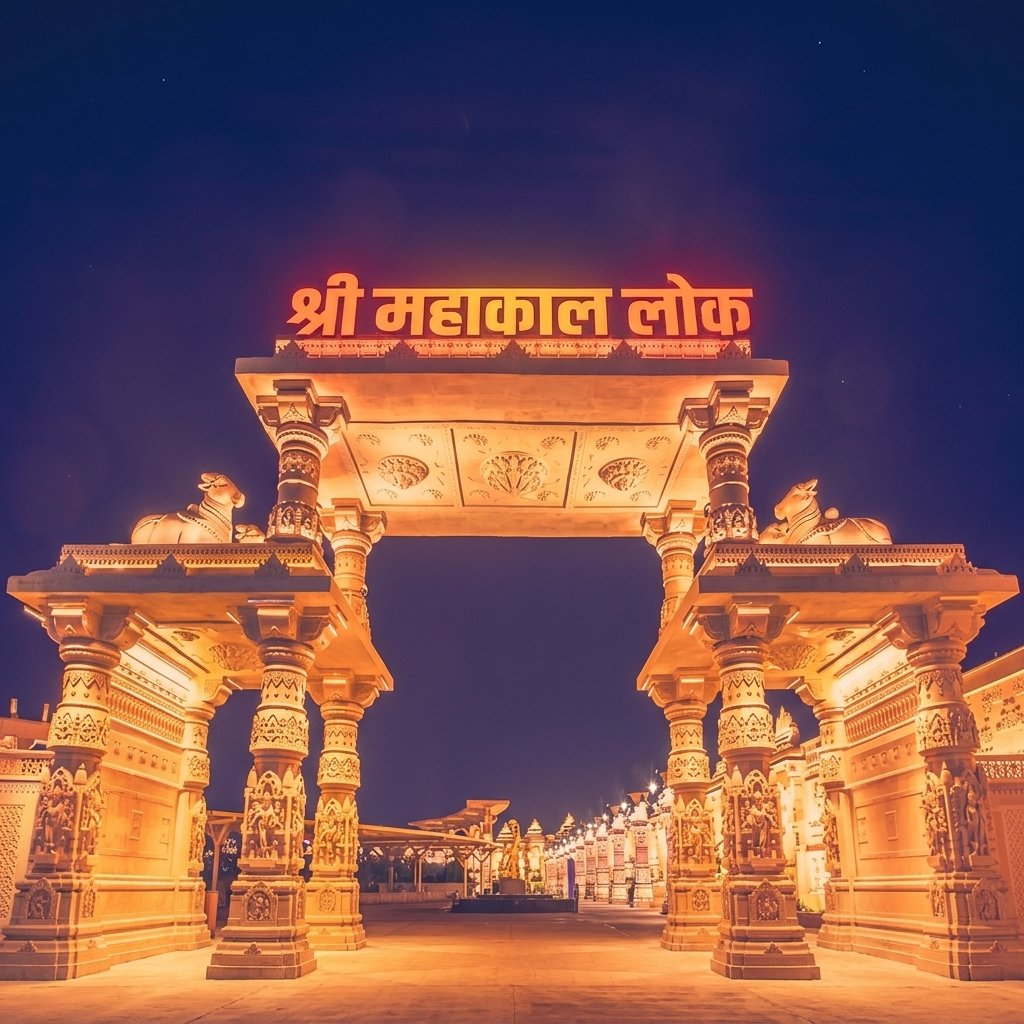
Ensure you are visiting the official government managed portal: shrimahakaleshwar.com. Beware of copycat websites with names like “mahakalbhasmaartibooking.org” or unofficial travel portals that mimic the design to harvest debit card details or charge inflated fees.
How to Beat the 08:00 AM Rush
The official portal opens daily at 08:00 AM sharp for booking dates up to 3 months in advance. Because thousands of pilgrims across India attempt to book at the exact same moment, daily online quotas of approximately 300 to 400 seats are exhausted within 60 to 90 seconds. To give your family the best chance of securing seats, follow this exact preparation routine:
- Set Up Your Device Early: Log onto your desktop computer or mobile phone by 07:55 AM with an ultra-reliable, high-speed Wi-Fi or 5G connection.
- Prepare ID Photos in Advance: You will be asked to upload clear photo ID documents (Aadhaar Card, Voter ID, or Passport) for each person in your group. Compress these files to under 200 KB in JPEG format and keep them on your desktop screen for rapid upload.
- Keep Group Details Handy: Write down full names, ages, gender, and Aadhaar numbers in a simple text file so you can copy and paste them immediately instead of typing manually.
- Official Fee: The government booking fee is exactly INR 200 per devotee. Keep your UPI app or Net Banking credentials unlocked to authorize the payment without session timeouts.
- Download the Barcode Pass: Once your transaction succeeds, download the PDF containing the biometric barcode and print physical copies immediately. Digital phone screens are not acceptable at Gate 4 security checks.
3. Offline Counter Booking at Triveni Museum
If you were unable to book online, do not lose heart. The temple committee maintains a dedicated daily offline quota of roughly 300 to 400 seats for devotees visiting Ujjain on short notice.
The offline booking counter is located near the Triveni Museum and Karkraj ground parking area. The process involves a two-phase system designed to prevent black marketing:
Phase 1 (Morning Queue for Tokens): Devotees line up outside the Triveni counter early in the morning (usually starting between 05:00 AM and 07:00 AM). The counter staff issues serial queue tokens to devotees present in person.
Phase 2 (Evening Biometric Verification): Devotees holding tokens return to the counter in the evening around 07:00 PM. Each devotee must present their original Aadhaar card for biometric thumb scanning and live webcam photography. If confirmed, your official pass for the following morning is printed right then.
Every single member of your family must be physically present at the offline counter for photo and biometric verification. You cannot stand in line on behalf of your spouse, parents, or siblings while they rest at the hotel. If someone is missing, their pass will not be issued.
4. Gate 4 Protocol and 02:30 AM Reporting Schedule
Having a valid pass is only half the journey; punctuality on the morning of the aarti is non-negotiable.
| Time | Milestone | Devotee Action Required |
|---|---|---|
| 01:45 AM – 02:15 AM | Wake Up & Holy Bath | Bathe in fresh water, wear unstitched traditional attire (Dhoti or Saree). Leave mobile phones and leather belts behind. |
| 02:30 AM – 02:45 AM | Arrival at Gate 4 | Assemble at Gate Number 4 (near Bada Ganesh Mandir). Join the designated queue corresponding to your hall pass (Nandi Hall or Kartikey Hall). |
| 03:00 AM – 03:20 AM | Security & ID Verification | Barcode scanning of printed pass and physical match against original Aadhaar card. Metal detector frisking. |
| 03:30 AM | Seating inside Sanctum / Hall | Devotees take their assigned positions on the carpeted floor inside Nandi Hall or elevated galleries in Kartikey Hall. |
| 04:00 AM – 06:00 AM | Shree Mahakal Bhasma Aarti | The grand two-hour ritual takes place. Complete silence and devotional reverence are observed. |
| 06:15 AM | Exit & Charnamrit Prasad | Exit smoothly through the designated temple corridor and receive blessed Vibhuti and peda prasad. |
5. Strict Dress Code Rules for Men and Women
The Shri Mahakaleshwar Temple Management Committee enforces strict traditional Vedic dress codes. Non-compliance will result in security guards stopping you at Gate 4, even if you hold a valid pass.
For Male Devotees
- Inside Nandi Hall & Sanctum: Men must wear a clean, unstitched white, saffron, or yellow cotton or silk Dhoti and Shola (Angavastram/Gamchha). The chest must remain bare or draped lightly with the unstitched shola.
- Strictly Prohibited: Stitched kurtas, pyjamas, trousers, jeans, shirts, T-shirts, shorts, inner thermal vests worn as outer clothing, and leather belts.
For Female Devotees
- Inside Nandi Hall & Sanctum: Women must wear a traditional Indian Saree. Bright devotional colors like saffron, red, yellow, and green are preferred.
- Strictly Prohibited: Salwar suits, kurti-leggings, jeans, western dresses, and nightwear are not allowed in the inner Nandi Hall enclosure. (Salwar suits are occasionally permitted only in the rear Kartikey gallery for distant viewing, but wearing a saree is strongly advised to prevent any entry dispute).
6. Protecting Yourself from Bhasma Aarti Touts and Scams
Due to intense demand, Ujjain unfortunately has an active network of unauthorized middlemen, roadside touts, and fake online operators preying on visiting families. Understanding their common tricks protects both your devotion and your wallet:
A common scam involves touts near the railway station or auto stands claiming: “Sir, online quota is full, but my uncle is in the temple trust. Pay me INR 3,000 per person and I will arrange VIP protocol entry directly into Nandi Hall.”
What actually happens: They print an altered PDF or issue a fake pass. At 03:00 AM, when temple security scans the biometric barcode, the scanner beeps red, and you and your family are turned away at the gate in embarrassment while the tout turns his phone off.
Remember these golden rules of safety:
- No hotel, homestay, priest, or travel agency has a private legal quota for Bhasma Aarti passes.
- Never transfer money via UPI to unknown WhatsApp numbers promising guaranteed passes.
- If you do not get a pass through official channels, you can still experience profound devotion by attending the Regular Morning Aarti (07:30 AM), the Bhog Aarti (10:30 AM), or the grand Evening Sandhya Aarti (05:00 PM), none of which require difficult advance bookings.
7. Why Staying 400m Away at Vedika Stays Makes All the Difference
One of the most overlooked aspects of planning a Bhasma Aarti visit is your accommodation location. Consider the morning timeline: you need to wake up at 01:45 AM, bathe, help elderly parents and young children dress in traditional dhotis and sarees, and report at Gate 4 by 02:30 AM.
If your hotel is located 4 to 8 kilometers away on the Indore-Ujjain Highway or bypass road:
- Finding an auto rickshaw or taxi at 02:00 AM is notoriously difficult and unreliable.
- Night auto drivers often demand extortionate fares of INR 500 to INR 800 for short rides.
- City police block vehicles several hundred meters away from the temple complex at night, forcing your family to walk through cold, unfamiliar lanes in darkness.
The Vedika Stays Advantage: Located at Leela Sadan on Ramghat Marg near Harsiddhi Gate, Vedika Stays is situated just 400 meters from Mahakal Gate Number 4. That is a flat, peaceful 5 to 6 minute stroll along well-lit pilgrimage corridors. Your family can wake up comfortably at 02:15 AM, leave phones and bags safely locked in your private suite, and walk casually to the reporting gate without any transport stress.
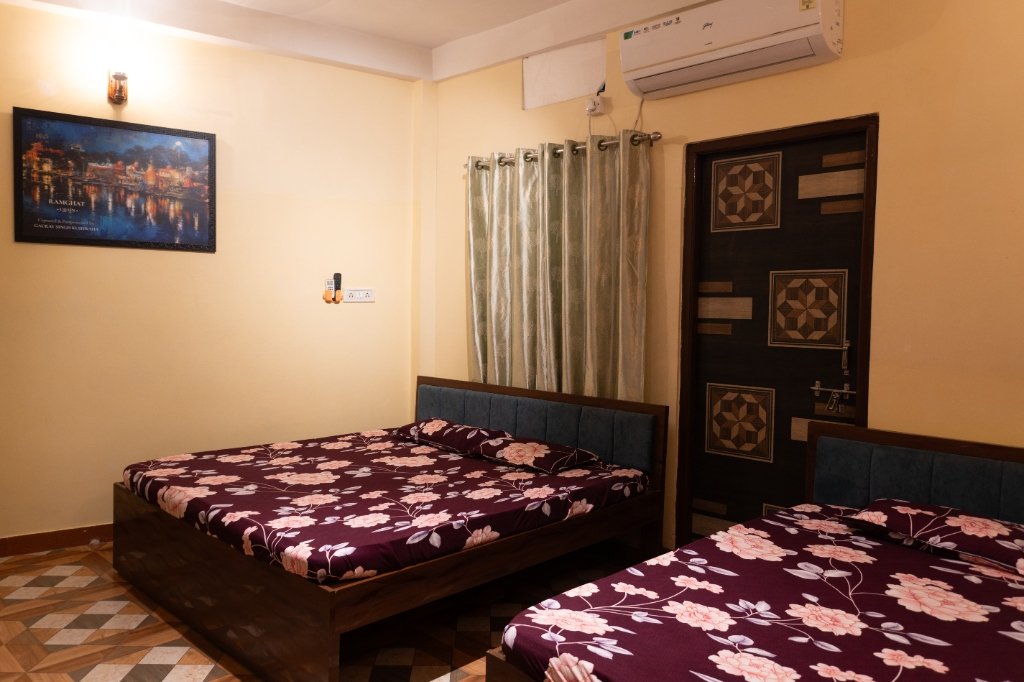
Visiting Ujjain? Stay in Divine Comfort at Vedika Stays
Skip crowded commercial hotels and stay in a private luxury family floor apartment on sacred Ramghat Marg, just a 3-minute stroll from holy Kshipra and 5 minutes from Mahakal Gate 4.
Shri Mahakaleshwar Temple Management Committee and local police authorities dynamically adjust entry gates, queue barricading, VIP entry lines, and darshan schedules during heavy crowd rushes, weekends, and major festival periods (such as Sawan, Mahashivratri, and Simhastha). All information, gate assignments, and timings provided in this guide reflect standard, general operational arrangements. Devotees are kindly advised to follow on-ground police instructions, official signboards, and temple public address announcements on the day of their visit.